
Digital transformation is no longer optional — it is a strategic necessity. Organizations that fail to modernize their processes, systems, and culture risk falling behind more agile, tech-driven competitors. But digital transformation is not just about adopting new tools. It is about fundamentally rethinking how a business delivers value using technology.
This comprehensive guide explores what digital transformation truly means, why it matters, and how to implement it successfully.
1. What Is Digital Transformation?
Digital transformation is the integration of digital technologies into all areas of a business, resulting in fundamental changes to operations, customer experience, and value delivery.
It involves:
- Modernizing legacy systems
- Automating manual processes
- Leveraging cloud infrastructure
- Using data to drive decisions
- Adopting customer-centric digital experiences
It is both a technology initiative and a cultural shift.
2. Why Digital Transformation Matters
- Improved Efficiency: Automation reduces manual errors and operational costs.
- Better Customer Experience: Digital tools enable faster service and personalization.
- Data-Driven Decisions: Real-time analytics improve strategic planning.
- Scalability: Cloud systems allow businesses to grow without infrastructure bottlenecks.
- Competitive Advantage: Innovation becomes continuous rather than reactive.
3. The Four Pillars of Digital Transformation
A. Process Transformation
Identify inefficient workflows and automate them.
- Business process automation (BPA)
- Robotic process automation (RPA)
- Workflow digitization
B. Business Model Transformation
Technology can enable entirely new revenue streams.
- Subscription models (SaaS)
- Platform-based ecosystems
- Digital marketplaces
C. Domain Transformation
Enter new markets using digital capabilities.
- Retail → E-commerce
- Education → E-learning platforms
- Finance → FinTech applications
D. Cultural Transformation
Technology adoption requires mindset change.
- Agile methodologies
- Cross-functional collaboration
- Continuous learning culture
4. Key Technologies Driving Digital Transformation
- Cloud Computing: On-demand scalability and reduced infrastructure costs.
- Artificial Intelligence: Automation, personalization, predictive analytics.
- Big Data & Analytics: Real-time insights and forecasting.
- IoT (Internet of Things): Connected devices and smart monitoring.
- Cybersecurity: Protecting digital assets and customer data.
- APIs & Microservices: Flexible and scalable architectures.
5. Step-by-Step Digital Transformation Roadmap
Step 1: Assess Current State
- Audit existing systems and workflows.
- Identify pain points and inefficiencies.
- Evaluate technical debt.
Step 2: Define Vision & Strategy
- Set measurable goals (KPIs).
- Align transformation with business objectives.
- Secure executive buy-in.
Step 3: Prioritize Initiatives
- Start with high-impact, low-risk projects.
- Adopt a phased implementation plan.
Step 4: Choose the Right Technology Stack
- Cloud providers (AWS, Azure, GCP)
- Modern frameworks and APIs
- Scalable database solutions
Step 5: Implement & Iterate
- Use Agile or DevOps methodologies.
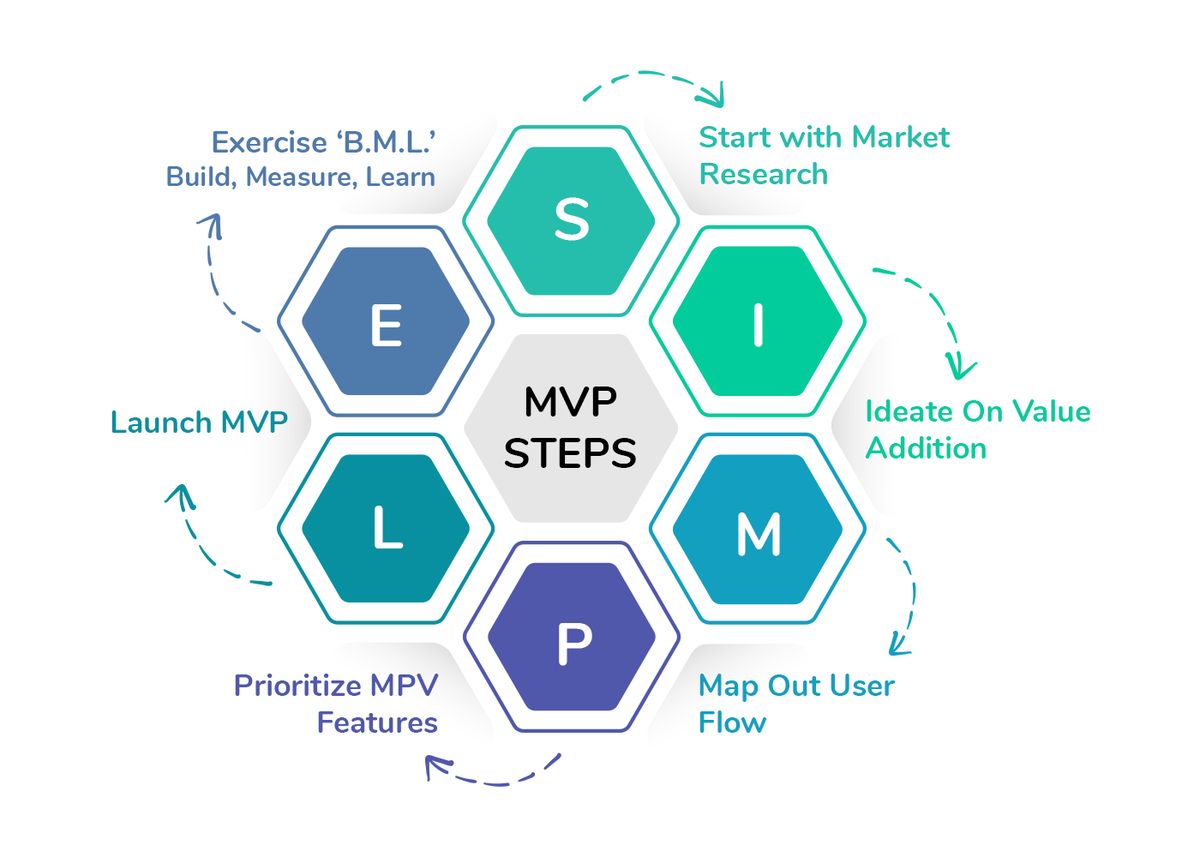
- Launch MVPs before full-scale rollout.
- Continuously gather feedback.
Step 6: Monitor & Optimize
- Track KPIs.
- Measure ROI.
- Improve continuously.
6. Common Challenges in Digital Transformation
- Resistance to change
- Legacy system integration issues
- Skill gaps within teams
- Budget constraints
- Cybersecurity risks
Mitigating these challenges requires strong leadership, clear communication, and a phased approach.
7. Measuring Success
Digital transformation success should be measured through:
- Operational cost reduction
- Increased revenue streams
- Customer satisfaction scores
- Time-to-market improvements
- Employee productivity gains
8. Real-World Examples
- Companies moving from on-premise infrastructure to cloud-native systems.
- Retailers adopting omnichannel e-commerce platforms.
- Enterprises implementing AI-driven analytics dashboards.
Final Thoughts
Digital transformation is not a one-time project — it is an ongoing journey. Businesses that treat it as a continuous strategy rather than a temporary initiative are more likely to succeed in a rapidly evolving digital economy.
Start small, think strategically, invest in people, and leverage the right technologies. The future belongs to organizations that adapt quickly and innovate consistently.