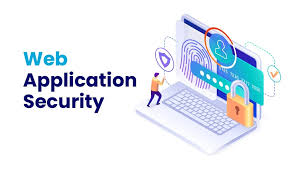

Cybersecurity is no longer just an IT concern — it is a board-level priority. As digital transformation accelerates, organizations face increasingly sophisticated threats targeting applications, infrastructure, data, and users. For CTOs, staying ahead of cybersecurity trends is essential to protect assets, maintain customer trust, and ensure regulatory compliance.
This guide outlines the most critical cybersecurity trends every CTO should understand and prepare for.
1. Zero Trust Architecture (ZTA)
The traditional “trust but verify” model is obsolete. Zero Trust operates on the principle of “never trust, always verify.” Every user, device, and application must be authenticated and authorized continuously.
- Multi-factor authentication (MFA)
- Least-privilege access control
- Continuous monitoring
- Micro-segmentation of networks
Zero Trust reduces lateral movement within networks and limits the impact of breaches.
2. Rise of AI-Powered Attacks
Attackers are increasingly using artificial intelligence to automate phishing campaigns, discover vulnerabilities, and bypass detection systems.
At the same time, AI is also being used defensively:
- Behavior-based threat detection
- Automated anomaly detection
- Predictive threat intelligence
CTOs must invest in AI-driven security tools to stay competitive.
3. Cloud Security Becomes Critical
With rapid cloud adoption, misconfigured cloud resources remain one of the biggest security risks.
- Cloud Security Posture Management (CSPM)
- Secure API gateways
- Encryption at rest and in transit
- Identity and Access Management (IAM) policies
Security must be embedded into cloud architecture from day one.
4. DevSecOps Integration
Security is shifting left — integrated directly into the development lifecycle.
- Automated code scanning (SAST & DAST)
- Dependency vulnerability scanning
- Container security checks
- Infrastructure-as-Code security validation
Embedding security into CI/CD pipelines reduces costly vulnerabilities before production.
5. Ransomware Evolution
Ransomware attacks are becoming more targeted and sophisticated. Modern ransomware includes:
- Double extortion (data encryption + data leak threats)
- Targeted enterprise attacks
- Supply chain infiltration
Preventive measures include:
- Regular backups with offline storage
- Endpoint detection and response (EDR)
- Incident response planning
6. Supply Chain Security Risks
Third-party vendors, open-source dependencies, and software supply chains present new vulnerabilities.
- Software Bill of Materials (SBOM)
- Vendor security audits
- Dependency management tools
- Strict API access controls
CTOs must evaluate vendor risk as part of overall security strategy.
7. Increased Regulatory Compliance Requirements
Data privacy laws and compliance standards are expanding globally.
- GDPR
- CCPA
- HIPAA
- ISO 27001
Non-compliance can result in severe financial and reputational damage.
8. Identity as the New Security Perimeter
With remote work and distributed teams, traditional network perimeters are fading. Identity and access management now serve as the primary security boundary.
- Single Sign-On (SSO)
- Adaptive authentication
- Passwordless authentication
- Privileged Access Management (PAM)
9. API Security Challenges
APIs are essential for modern applications but increasingly targeted.
- Rate limiting and throttling
- API authentication and token validation
- Monitoring unusual API behavior
- Regular API penetration testing
Unsecured APIs can expose sensitive data and business logic.
10. Security Awareness & Human Factor
Human error remains one of the biggest security vulnerabilities.
- Employee security training programs
- Phishing simulations
- Clear security policies
- Access control reviews
Cybersecurity is as much about people as it is about technology.
Strategic Recommendations for CTOs
- Adopt a proactive security posture rather than reactive.
- Allocate dedicated cybersecurity budgets.
- Integrate security into product architecture early.
- Conduct regular security audits and penetration testing.
- Establish a clear incident response and disaster recovery plan.
Final Thoughts
Cyber threats are evolving faster than ever. CTOs must treat cybersecurity as a continuous strategic initiative rather than a one-time implementation. By embracing Zero Trust, integrating DevSecOps, securing cloud infrastructure, and prioritizing identity management, organizations can build resilient systems prepared for modern threats.
In today’s digital economy, cybersecurity is not just protection — it is a competitive advantage.