
Artificial Intelligence (AI) is transforming how web applications operate, enabling smarter user experiences, predictive analytics, and automation. From personalized recommendations to intelligent chatbots, AI integration is becoming a standard expectation in modern web development.
This guide explores the key aspects of integrating AI into web applications and the benefits it brings to businesses and users.
1. Why AI Matters in Web Applications
- Enhanced User Experience: AI enables personalization based on user behavior and preferences.
- Automation of Repetitive Tasks: Intelligent workflows reduce human intervention.
- Data-Driven Insights: AI can analyze large datasets to uncover trends and predictions.
- Competitive Advantage: AI-driven apps can differentiate products in crowded markets.
2. Common AI Use Cases in Web Apps
A. Personalization & Recommendations
Web apps like e-commerce platforms use AI to suggest products or content based on user behavior.
- Collaborative filtering
- Content-based filtering
- Hybrid recommendation systems
B. Intelligent Chatbots & Virtual Assistants
AI-powered chat interfaces enhance support and engagement:
- Answer frequently asked questions
- Guide users through workflows
- Provide 24/7 customer service
C. Predictive Analytics
AI models analyze past behavior to predict outcomes:
- Sales forecasting
- Churn prediction
- Resource allocation
D. Natural Language Processing (NLP)
NLP enables understanding and generating human language:
- Sentiment analysis
- Text summarization
- Search optimization and query understanding
E. Image and Video Recognition
Computer vision capabilities allow:
- Automatic tagging of images
- Facial recognition for authentication
- Object detection for e-commerce and security
3. Steps to Integrate AI into Web Applications
Step 1: Define the Problem Clearly
Identify the key challenge or opportunity where AI can add value.
- Customer support optimization
- Sales or marketing personalization
- Fraud detection or risk management
Step 2: Collect and Prepare Data
AI relies on high-quality data:
- Clean and preprocess datasets
- Use historical data to train models
- Ensure compliance with data privacy regulations
Step 3: Choose the Right AI Model
- Supervised learning for prediction/classification
- Unsupervised learning for clustering/anomaly detection
- Reinforcement learning for adaptive systems
- Pre-trained models for NLP, vision, and language tasks
Step 4: Integrate AI into Your App
Depending on the architecture:
- Call AI models via APIs (e.g., OpenAI, Hugging Face)
- Deploy models as microservices
- Use serverless AI functions for scalability
- Embed AI into frontend features for real-time interaction
Step 5: Monitor and Optimize
- Track model accuracy and performance
- Retrain models with new data periodically
- Monitor latency and API response times
- Collect user feedback for continuous improvement
4. Architectural Considerations
- Microservices for AI modules
- Scalable cloud infrastructure
- Model versioning for rollback and updates
- Secure endpoints for AI APIs
- Data pipelines for continuous learning
5. Challenges in AI Integration
- Data quality and quantity limitations
- Bias and fairness in AI models
- High computational cost for training
- Integration complexity across tech stacks
- Ensuring privacy and compliance
6. Best Practices
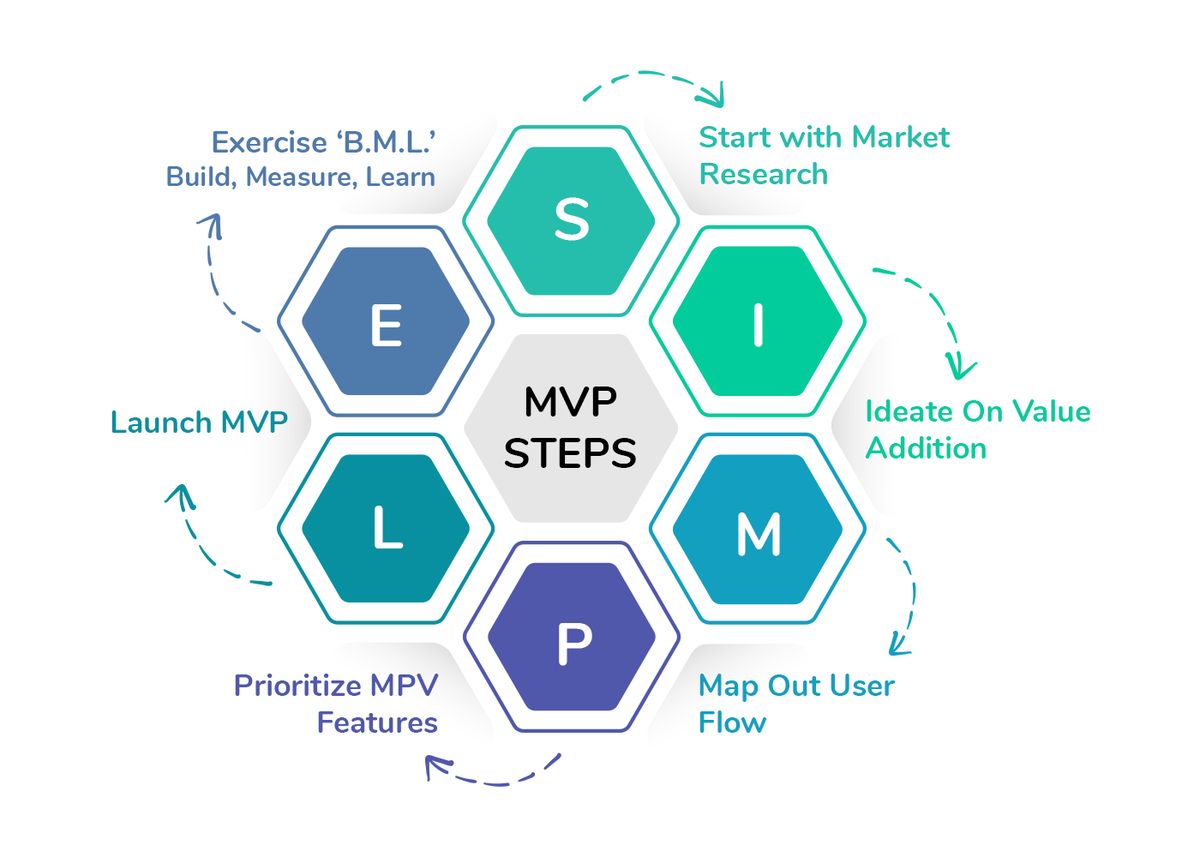
- Start small with MVP AI features
- Leverage pre-trained AI models
- Ensure explainability of AI decisions
- Monitor AI models continuously for drift
- Maintain robust security and privacy controls
7. Future of AI in Web Applications
- Greater personalization and contextual experiences
- Real-time AI-driven analytics dashboards
- Self-healing applications powered by AI
- Seamless voice and multimodal interfaces
- AI-assisted development and testing
Final Thoughts
AI is no longer a futuristic add-on — it is a critical component of modern web applications. When implemented thoughtfully, AI enhances user experience, improves business decision-making, and provides a competitive edge.
CTOs and product teams must focus on identifying meaningful use cases, ensuring quality data, integrating models efficiently, and monitoring performance continuously. With AI as part of the core architecture, web applications can become smarter, faster, and more responsive to user needs.